


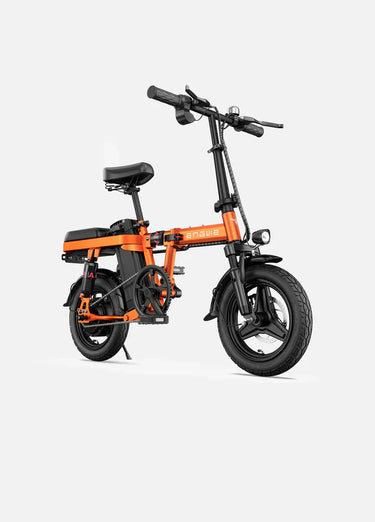
Electric Bike Rules in the UK: Laws, Speed Limits, Licences and Everything Riders Need to Know
Electric bikes are changing the way people travel across the UK. From daily commutes and shopping trips to weekend countryside adventures, e-bikes offer a convenient way to enjoy cycling with additional electric assistance.
But before purchasing an electric bike, there is something every rider should understand: UK electric bike laws and regulations.
Are electric bikes legal in the UK? Do you need a driving licence? What is the maximum permitted motor power? Can you ride an e-bike on cycle paths? And are throttle-controlled electric bikes allowed?
Understanding these rules can help you choose the right electric bike and enjoy your rides with confidence.
At Pogo Cycles UK, we believe choosing an electric bike should start with understanding how it works, what it offers and whether it meets the relevant UK road regulations. Here is a detailed guide to everything you need to know.
1. What Are the Legal Requirements for Electric Bikes in the UK?
In the UK, a road-legal electric bike that is treated like a conventional bicycle is officially known as an Electrically Assisted Pedal Cycle (EAPC).
According to the UK Government's official electric bike regulations, an electric bike must meet specific requirements to qualify as an EAPC.
The three main requirements are:
-
Pedals: The bicycle must have pedals that can propel it.
-
Motor power: Its electric motor must have a maximum continuous rated power output of 250 watts.
-
Speed restriction: The motor must not be able to propel the bike when travelling faster than 15.5mph (25km/h).
The bicycle must also display the manufacturer's name and continuous rated power output, along with either the battery voltage or the maximum speed at which the motor can propel the bike.
If an electric bike meets these requirements, it can generally be treated in the same way as a conventional pedal bicycle under UK road traffic rules.
For further technical information, riders can refer to the government's EAPC standards and legal requirements.
2. What Is the Maximum Legal Speed for an Electric Bike in the UK?
One of the most frequently asked questions among electric bike buyers is about speed.
The maximum speed at which an EAPC motor can provide assistance is 15.5mph (25km/h).
However, this does not mean your electric bike cannot travel faster than 15.5mph.
For example, if you are cycling downhill or pedalling harder on a flat road, you can exceed this speed. The important requirement is that the electric motor must not propel the bicycle beyond the permitted speed.
Once the bike reaches 15.5mph, the electrical assistance must cut off.
This distinction is important when comparing different electric bike models. Always check the manufacturer's specifications and ensure the bike meets the applicable regulations.
You can confirm this requirement through the official GOV.UK electric bike rules.
3. Is a 250W Electric Bike Legal in the UK?
Yes. A 250W electric bike can be road-legal in the UK, provided it meets all the other EAPC requirements.
However, there is an important difference between continuous rated power and peak motor power.
Continuous rated power refers to the motor's specified continuous output, while peak power describes the higher output it may deliver temporarily under certain conditions.
For example, a manufacturer might advertise a motor with a 250W continuous rated output and a higher peak output.
The advertised peak figure alone does not determine whether the bike qualifies as an EAPC.
However, a motor with a continuous rated output exceeding 250W does not meet the standard EAPC requirements.
Before purchasing, check the manufacturer's technical documentation rather than relying entirely on advertising descriptions.
4. Do You Need a Driving Licence to Ride an Electric Bike in the UK?
One of the biggest advantages of riding a compliant electric bike is that you do not need a driving licence.
If your electric bike meets the EAPC requirements, you do not need:
-
A driving licence.
-
Vehicle registration.
-
Road tax.
-
Motor vehicle insurance.
You can ride it under the same general rules that apply to conventional bicycles.
However, if an electric bike does not meet the EAPC requirements, it may be classified as a motorcycle or moped.
In that situation, additional requirements apply, including vehicle approval, registration, road tax, appropriate insurance and a valid driving licence. A compliant motorcycle helmet is also required.
The UK Government's guidance on non-EAPC electric bikes explains these differences.
5. What Is the Minimum Age to Ride an Electric Bike in the UK?
The minimum legal age for riding an EAPC on public roads in the UK is 14 years old.
This means:
-
Riders aged 14 and above can ride a compliant EAPC.
-
Children under 14 cannot legally ride an EAPC on public roads.
-
The same minimum age applies when riding on permitted cycle paths.
Parents considering an electric bike for younger family members should check this requirement before purchasing.
It is also important to follow the manufacturer's recommendations regarding rider height, weight and suitability.
6. Are Throttle-Controlled Electric Bikes Legal in the UK?
Throttle-controlled electric bikes are popular because they allow riders to control motor assistance using a handlebar-mounted control.
However, UK regulations have specific requirements for these models.
A standard pedal-assisted EAPC must meet the relevant motor power and speed requirements. An electric bike that can propel itself without pedalling, such as a twist-and-go model, can qualify for EAPC treatment only if it has the required vehicle approval.
Approved models can provide propulsion without pedalling up to the permitted 15.5mph limit.
This means not every electric bike with a throttle is automatically legal for use on public roads.
Before purchasing a throttle-equipped electric bike, check its vehicle approval status and manufacturer documentation.
For clarification, refer to the official GOV.UK guidance on twist-and-go electric bikes.
7. Where Can You Ride an Electric Bike in the UK?
If your electric bike qualifies as an EAPC, you can generally ride it wherever conventional pedal bicycles are permitted.
Here are the main places where you can ride:
Public roads
You can ride on public roads while following normal road traffic regulations and cycling safety requirements.
Cycle lanes
Compliant EAPCs can use designated cycle lanes where conventional bicycles are permitted.
Shared-use cycle paths
You can use permitted cycle paths and shared-use routes, following any signs or local restrictions.
Pavements
Riding an electric bike on an ordinary pavement is not permitted. Pavements are intended for pedestrians unless a route has been specifically designated for shared use.
If your electric bike is classified as a motorcycle or moped rather than an EAPC, you cannot use ordinary cycle lanes or cycle tracks.
The GOV.UK electric bike rules provide further details about where different types of electric bikes can legally be ridden.
8. What Happens If You Modify an Electric Bike to Go Faster?
Some electric bike owners consider modifying their bikes to increase motor power or remove speed restrictions.
However, modifications can affect the vehicle's legal classification.
For example, if you modify an EAPC so that its motor has a continuous rated output exceeding 250W or can propel the bike beyond 15.5mph, it will no longer meet the standard EAPC requirements.
It may then be treated as a motorcycle or moped, bringing additional approval, registration, insurance and licensing requirements.
Using a non-compliant vehicle on public roads without meeting those requirements can result in penalties and vehicle seizure.
Modifications can also put additional strain on the motor, battery, brakes and other components.
The safest approach is to use your electric bike within its approved specifications and avoid modifications that bypass legal restrictions.
9. Electric Bike Battery Safety: What Should Riders Know?
Understanding road regulations is important, but battery safety deserves equal attention.
Most modern electric bikes use lithium-ion batteries because they offer a useful combination of capacity, weight and performance.
However, damaged or incorrectly handled batteries can present a fire risk.
Here are some practical battery safety tips:
-
Always use the charger recommended by the manufacturer.
-
Avoid charging a visibly damaged battery.
-
Never use incompatible batteries or chargers.
-
Purchase replacement batteries from reputable suppliers.
-
Keep batteries away from excessive heat and moisture.
-
Follow the manufacturer's charging and storage instructions.
-
Avoid unapproved electrical modifications.
If you notice unusual heat, swelling, physical damage or an unusual smell, stop using the battery and seek professional advice.
For additional safety information, read the UK Government's guidance on lithium-ion battery safety and e-cycles.
10. How to Choose the Right Electric Bike in the UK
Once you understand the regulations, the next step is finding an electric bike that suits your everyday requirements.
Not every rider needs the same type of e-bike. Your ideal choice depends on where you ride, how frequently you travel and what you expect from your bicycle.
Here are some important things to consider.
Motor specifications
Check the continuous rated motor power and ensure it meets the legal requirements if you intend to use the bike as a standard EAPC.
Battery capacity and range
Consider your regular commuting distance, weekend journeys and charging convenience. Remember that advertised maximum ranges can vary depending on terrain, rider weight, weather and assistance level.
Frame design
Choose between folding electric bikes, city bikes, mountain electric bikes, step-through models and cargo bikes according to your riding needs.
Braking performance
Reliable brakes are essential for maintaining control, particularly when riding in wet conditions or on challenging terrain.
Riding comfort
Consider saddle design, suspension, tyre width, riding position and handlebar comfort.
Manufacturer specifications
Always check the manufacturer's technical details, compliance markings and vehicle approval documentation where applicable.
At Pogo Cycles UK, you can explore a wide selection of electric bikes, including folding, mountain, city and cargo models, to compare different designs and specifications.
Explore the collection here: Electric Bikes at Pogo Cycles UK.
Final Thoughts: Ride Smarter with the Right Electric Bike
Electric bikes offer a practical and enjoyable way to approach everyday travel. Whether you are commuting to work, running errands or exploring new cycling routes, the right e-bike can make every journey more convenient.
But understanding UK electric bike regulations should always come before making a purchase.
Remember the essential EAPC requirements: pedals capable of propelling the bicycle, a maximum continuous rated motor output of 250W and motor assistance that does not propel the bike beyond 15.5mph.
Also, remember that higher-powered electric bikes and certain throttle-controlled models may fall under different vehicle regulations.
At Pogo Cycles UK, we want riders to make informed choices. Take the time to compare specifications, understand the legal requirements and choose an electric bike that suits your lifestyle.
Ready to find your next ride?
Explore the latest range at www.pogocycles.co.uk and discover an electric bike for your next journey.
Disclaimer: This article provides general information based on UK Government guidance available at the time of publication. It is not legal advice. Always consult the latest official regulations and verify the legal classification of an individual electric bike before using it on public roads.